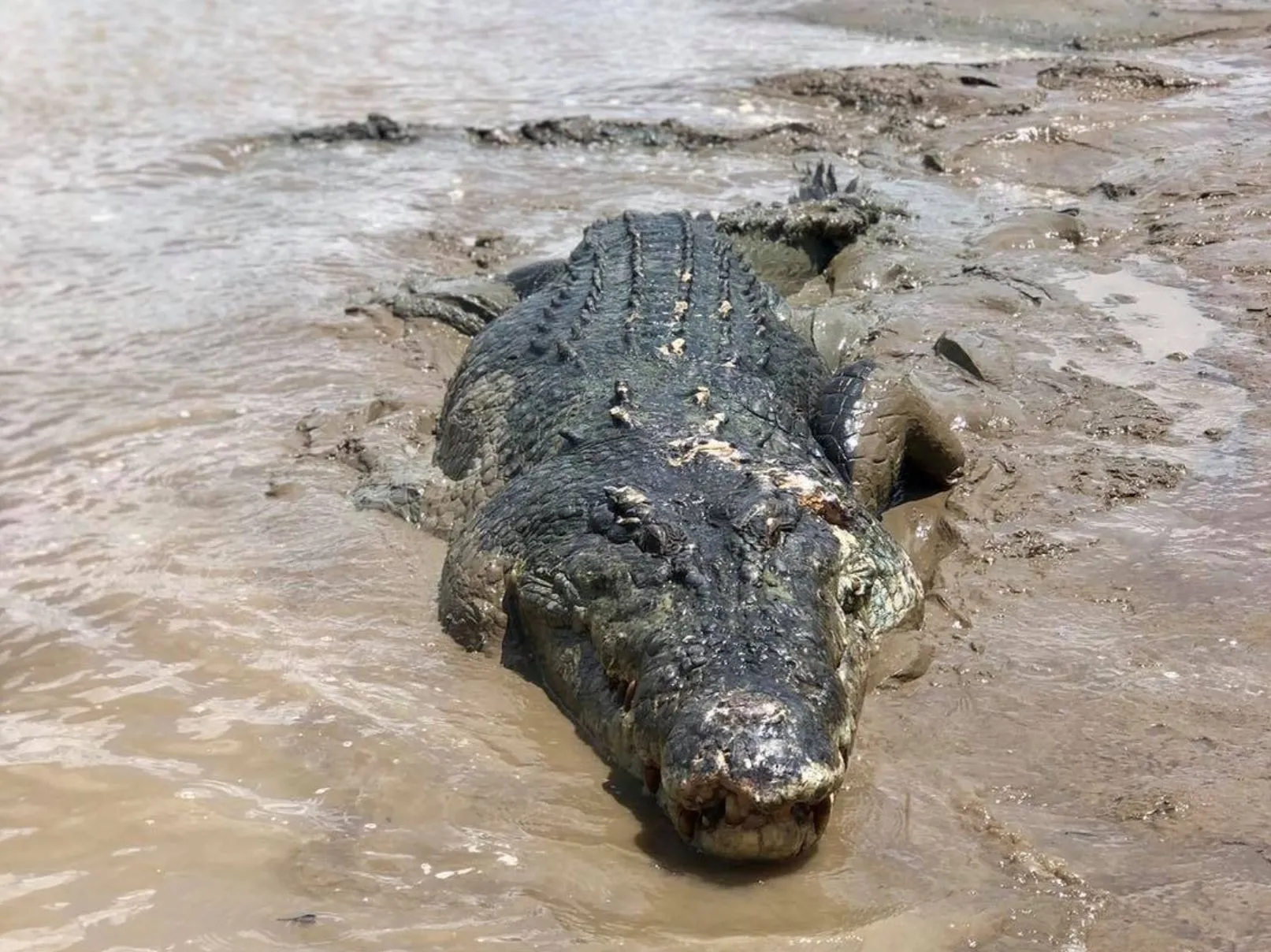
The Northern Territory is a tough and wild place with big landscapes, rich Aboriginal history and crazy wildlife. However, few creatures capture the imagination, such as the Saltwater Crocodile, the biggest reptile on the planet. These big buggers are often referred to as Estuarine Crocodiles or Salt-water Crocodiles and are both feared and revered, especially in Darwin, where they live in the rivers and coastal areas. In this blog, we’ll look at the biggest crocs ever seen in Darwin, get into the world of these top predators, and find out how they rule the wild and on croc farms.
Home of the Biggest Saltwater Crocodiles
Darwin’s tropical climate is the perfect home for saltwater crocodiles which can be found all over the Northern Territory in freshwater rivers, estuaries and river deltas. Some can grow to over 6 meters in length and are not only the biggest crocs on the planet but also the strongest and most resilient.
One of the best places to see these monster crocs in Darwin is the Adelaide River, just a short drive from the city. The famous Jumping Crocodile Cruises gives tourists the chance to see these incredible reptiles jump out of the water to catch food and show off their size and agility. The Adelaide River is home to some of the biggest saltwater crocodiles, like “Brutus” and “Dominator”, both of whom are local legends because of their size – over 5 meters long each.
Legendary Crocs
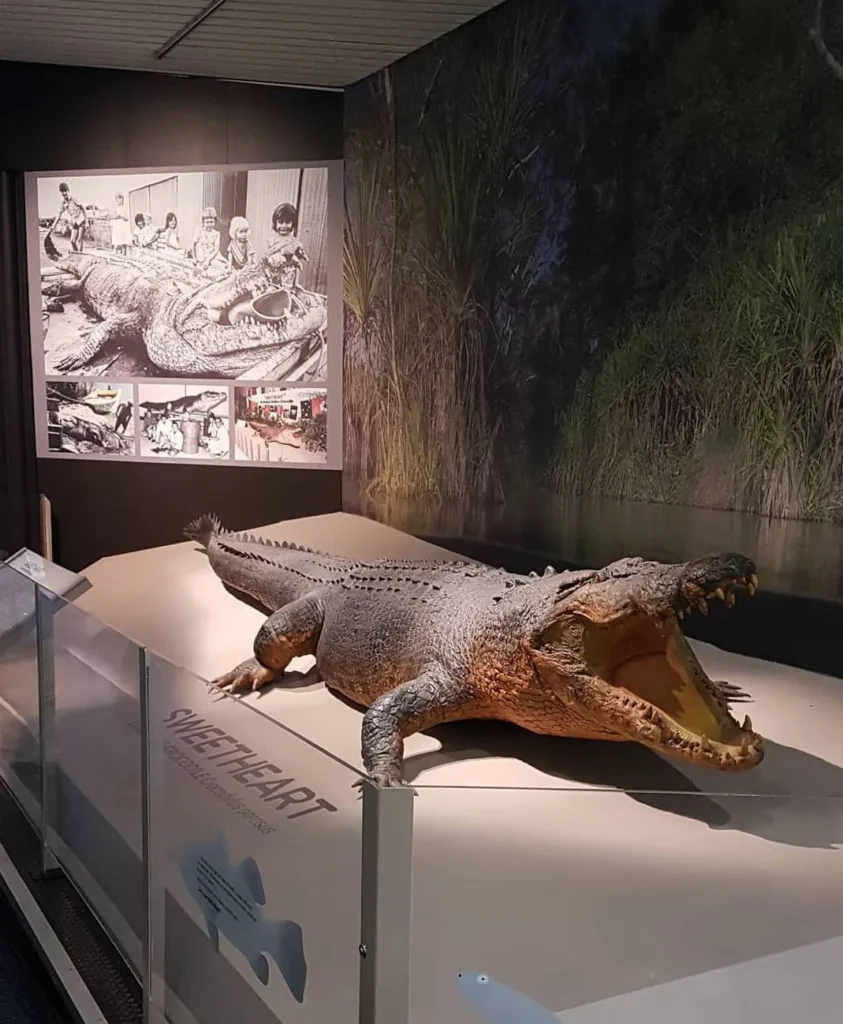
One of the most famous crocodiles in Darwin’s history is “Sweetheart”, a captive crocodile who was infamous in the 1970s. 5.1 meters long, Sweetheart would attack boats in the Finniss River before being caught and sadly drowning during relocation. His massive body is on display at the Museum and Art Gallery of the Northern Territory, where you can see just how big and powerful they are. Sweetheart’s story ended in captivity, but his legend lives on, and he’s often referred to as the biggest crocodile ever recorded in the area.
Today, you can see some of the world’s biggest captive crocodiles at Crocosaurus Cove in Darwin. This popular attraction has several massive crocs including “Chopper” another famous big fella who’s missing limbs and is quite intimidating. Crocosaurus Cove also gives visitors the chance to get in the “Cage of Death”, where you can be submerged in a protective cage and face a giant croc in a safe and controlled environment.
Crocodile Farms and Wildlife Sanctuaries: Conservation and Protection
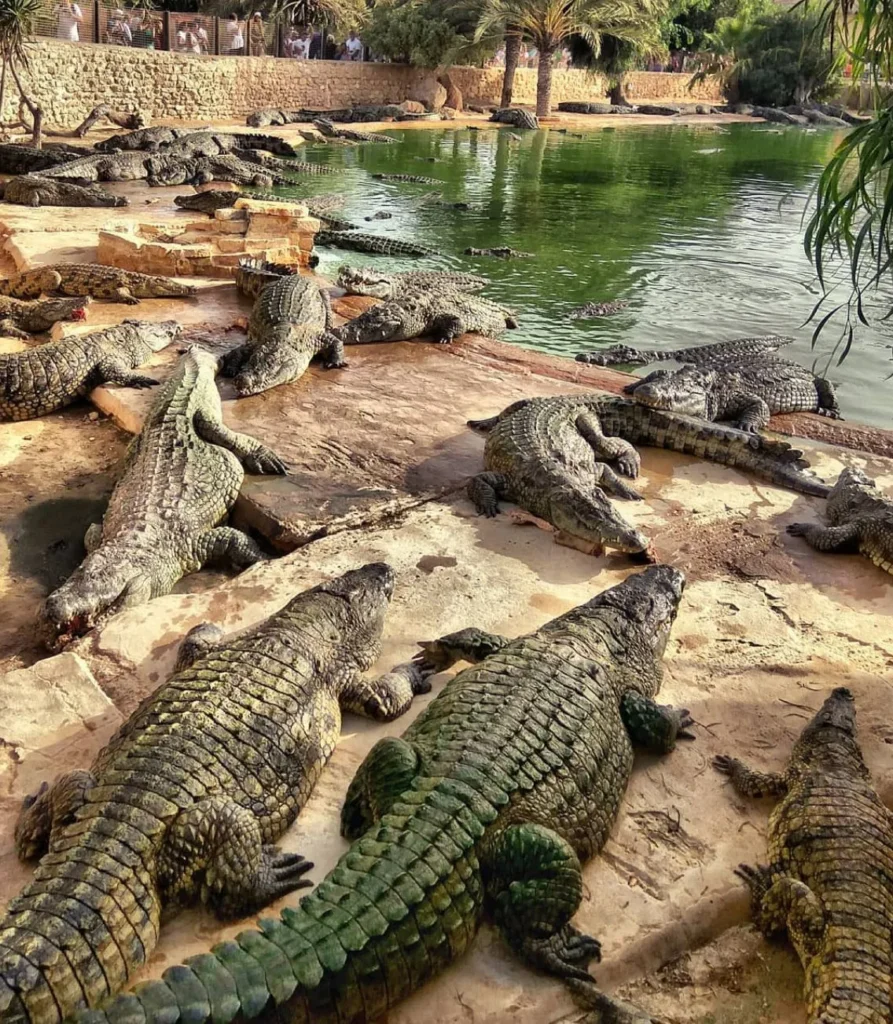
Conservation is important in Darwin, and the Northern Territory government works with wildlife organisations to make sure the saltwater crocodile population is healthy. Crocodile conservation started in the 1970s when wildlife officers began monitoring populations and regulating hunting. Now, crocodile farms play a big part in both conservation and industry. They raise crocodiles for their skin and meat, which takes pressure off wild populations. These are research centres.
Darwin’s Bhitarkanika Wildlife Sanctuary and other local sanctuaries provide a safe haven for crocodiles so they can thrive. Because despite their reputation, saltwater crocodiles face habitat destruction, pollution and human-wildlife conflict. By managing the crocodile population and safe habitats the Northern Territory Parks and wildlife officers can protect the animals while minimising risk to humans.
The Science Behind Saltwater Crocodiles’ Size and Strength
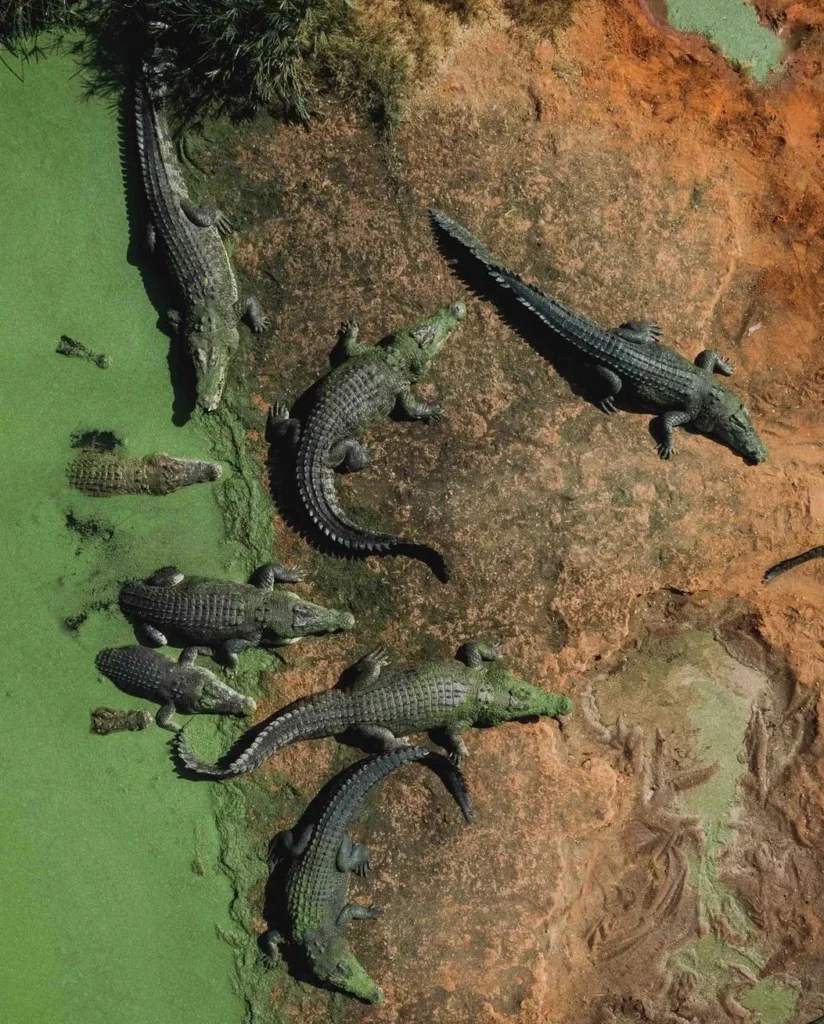
What makes saltwater crocodiles truly special is not just their size but their strength. They have one of the strongest bites in the animal kingdom, with a bite force quotient that can crush bones and tear apart large prey. Researchers from the SSC Crocodile Specialist Group and the IUCN-SSC Crocodile Specialist Group have studied the bite forces of crocodilians extensively, and saltwater crocodiles have produced some of the highest readings ever recorded. Their incredible strength is due to evolutionary adaptations that make them the apex predators in their environment.
A saltwater crocodile’s bite force quotient can reach up to 3,700 psi, far higher than other crocodile species and most carnivores. This is powerful enough to take down wild boar, buffalo and even sharks. The bite of crocodilians is for clamping down with incredible force, not chewing. Once a saltwater crocodile bites its prey, it performs a “death roll” to tear off chunks of meat—no wonder they are considered some of the most powerful predators in nature.
Crocodile Distribution: Beyond Darwin
While Darwin is the best place to see these big buggers, saltwater crocodiles are found in many parts of Southeast Asia and the Indo-Pacific. They live in Papua New Guinea, the Solomon Islands, the Nicobar Islands and Indonesia’s Sunda Islands and some even in India’s Fly and Daly River systems. In these areas, water levels and seasonal changes like the wet and dry seasons affect their behaviour and movement, so they are highly adaptable to fresh and saltwater.
In some parts of their range saltwater crocodiles are known to travel long distances through coastal waters so they are a formidable predator not just in rivers but in ocean environments. This broad range shows they can survive in many different habitats from freshwater rivers to coastal estuaries and even mangrove swamps.
Crocodile Encounters in the Wild: Safety and Fun
While seeing a big croc in the wild is exciting, remember these animals are very dangerous. The Northern Territory Government and local authorities have strict guidelines in place to ensure the safety of residents and tourists. Visitors are to follow warning signs, don’t swim in areas known to have crocodiles and only venture into crocodile infested waters with experienced guides.
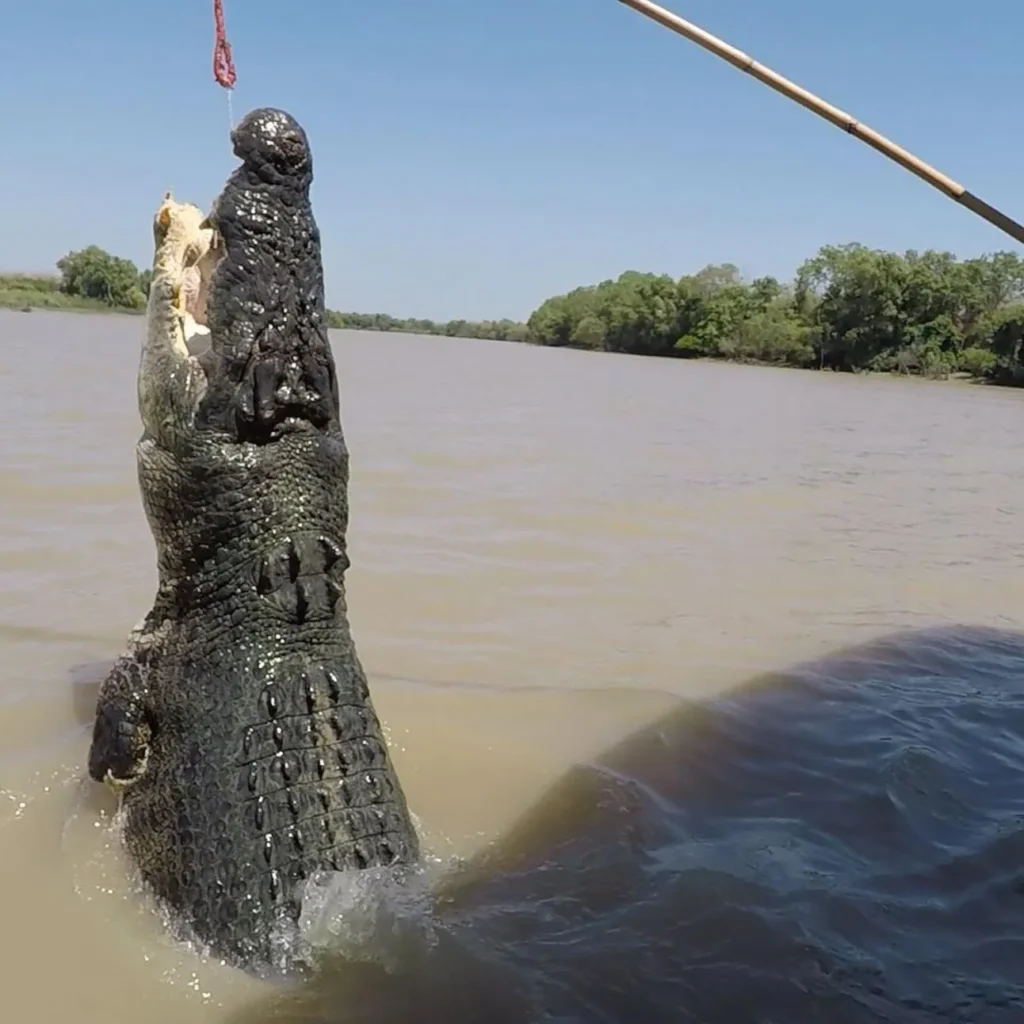
If you want to get up close and personal the Jumping Crocodile Cruises on the Adelaide River are the safest way to see these predators in action. Guided by trained staff these Darwin crocodile tour is a controlled environment where the crocodiles will jump out of the water to catch food and you will see their size and power. Green Island is another spot where crocodiles are often seen so it’s a popular stop for wildlife buffs.
Guinness World Records and Famous Crocodiles
Saltwater crocodiles are in the Guinness Records for being the largest living reptiles, the previous record for the largest saltwater crocodile was held by a crocodile named “Lolong”. Lolong was caught in the Philippines and was 6.17 meters long and over 1,000kgs. He is one of the most famous captive crocodiles in the world.
While Lolong’s record size is extreme, it’s not uncommon for saltwater crocodiles in Darwin and surrounding areas to reach huge sizes. Many wildlife officers have recorded adult sizes over 5 meters, and with the right conditions, some saltwater crocodiles can continue to grow throughout their lives, so the possibility of seeing an even bigger monster croc is very real.
FAQ
Where can I see the biggest saltwater crocodiles in Darwin?
You can see the biggest crocs in Darwin on the Adelaide River, on the Jumping Crocodile Cruises. For a closer look at captive crocs, visit Crocosaurus Cove in the middle of Darwin.
How big can a saltwater crocodile get?
Saltwater crocodiles can grow up to 6m (20ft) or more and up to 1,000kg in weight. The biggest ones are found in the Northern Territory, Papua New Guinea and Solomon Islands.
Are crocodile tours in Darwin safe?
Yes, crocodile tours in Darwin, like the Jumping Crocodile Cruises, are run by experienced guides who follow strict safety procedures so you can enjoy the experience without risk.
What is the strongest bite of a saltwater crocodile?
Saltwater crocodiles have one of the strongest bites in the animal kingdom, with a bite force quotient that can crush bones with up to 3,700 psi. This is for catching and holding onto prey.
What is the NT Government involved in crocodile conservation?
The NT Government works with the Crocodile Specialist Group to monitor and manage crocodile numbers, protect both humans and crocs through conservation, habitat protection and public safety.