The 2026 Reef Health Update: Why You Should Book That Great Barrier Reef trip. Before The Mid-Year Report. It’s not just a sales pitch – it’s looking at the facts. If you’ve been kicking around the idea of getting down to the Great Barrier Reef, the simple answer is this: get there while the patch of strong coral, rich marine life and properly managed tourism is still a big part of the whole experience, because, trust me, it won’t last much longer.
I’ve been up and down the Queensland coast long enough to know the difference between when the media gets overexcited and when things are genuinely getting worse. The reef is in big trouble due to climate change, coral bleaching, dirty water and all the international attention from the likes of the United Nations – the world is certainly watching. At the same time, it’s still one of the most incredible marine systems on the planet. Both of these things are true. And the mid-year assessment cycle – this is when we get the updated Outlook Report and state of conservation report – well, that will have a say in how the UNESCO World Heritage Committee thinks Australia is going. Doesn’t mean the reef shuts down overnight, but it will certainly shape the story a bit.
If you want to see it for yourself rather than just read the headlines, this is your chance.
What The Latest Monitoring Tells Us is …
Let’s cut through the spin for a second. The Great Barrier Reef stretches a long way along the Queensland coast – about 2300 km – and covers a massive area of roughly 344,400 square km. And we’re monitoring it continuously through in-water surveys and satellite systems.
Over the last few years, the reef has taken a pounding from repeated coral bleaching events due to those ocean heatwaves. Satellite imagery and Coral Reef Watch data show just how severe the sea surface temperature spikes are. And the Bureau of Meteorology is keeping an eye on how rainfall patterns are changing and what that does to all the runoff from land after heavy rain.
Here’s how the major pressures break down:
| Key Pressure | What It Does | What You Might Notice |
|---|---|---|
| Climate change | Rises sea temperatures | Patchy bleaching in shallow sections |
| Poor water quality | Adds sediment and nutrients | Lower clarity inshore after heavy rain |
| Crown-of-thorns starfish | Eats live coral | Targeted control programs are in place |
| Coastal flooding | Delivers sediment plumes | Temporary visibility changes |
Coral bleaching is no guarantee of death. When a coral gets through the worst of it, recovery is possible. The problem is that if the coral is still stressed, it can become more vulnerable to disease. And yeah, we’ve just had some pretty unprecedented events in certain parts of the world, but that doesn’t mean it’s a total collapse everywhere.
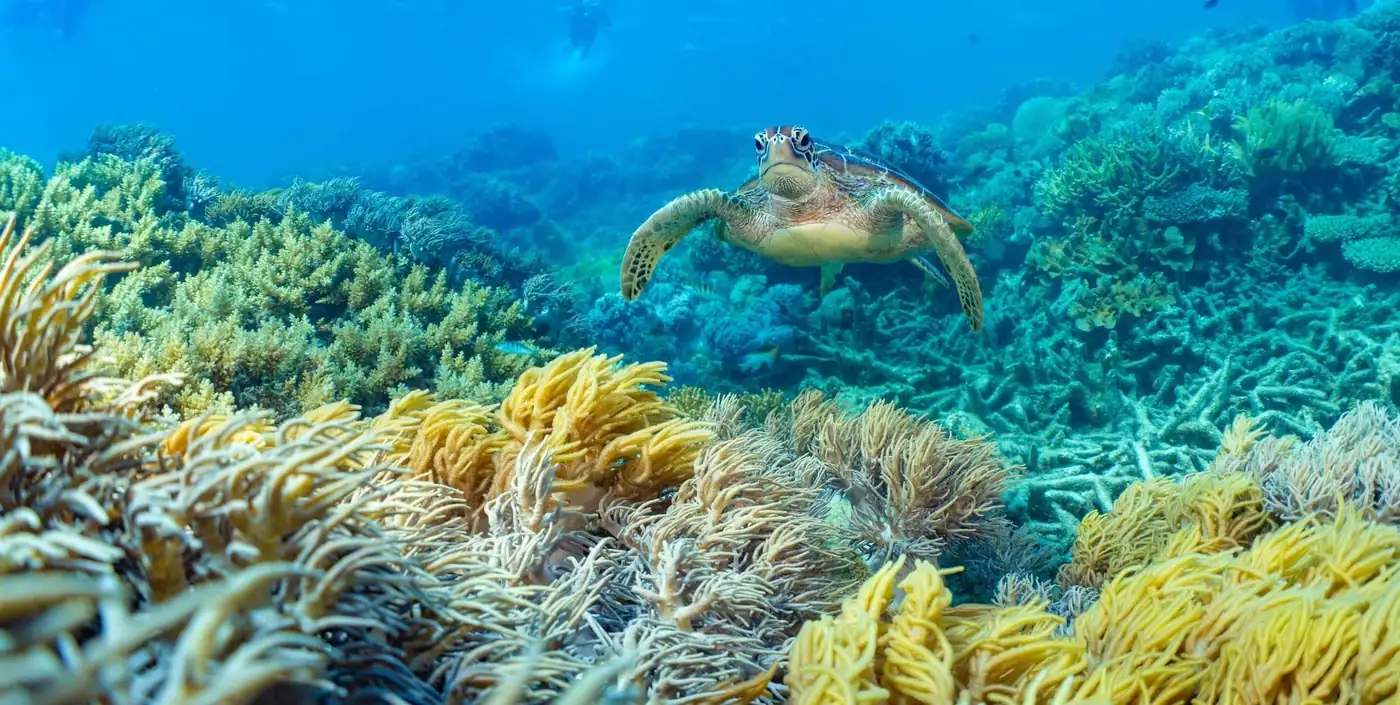
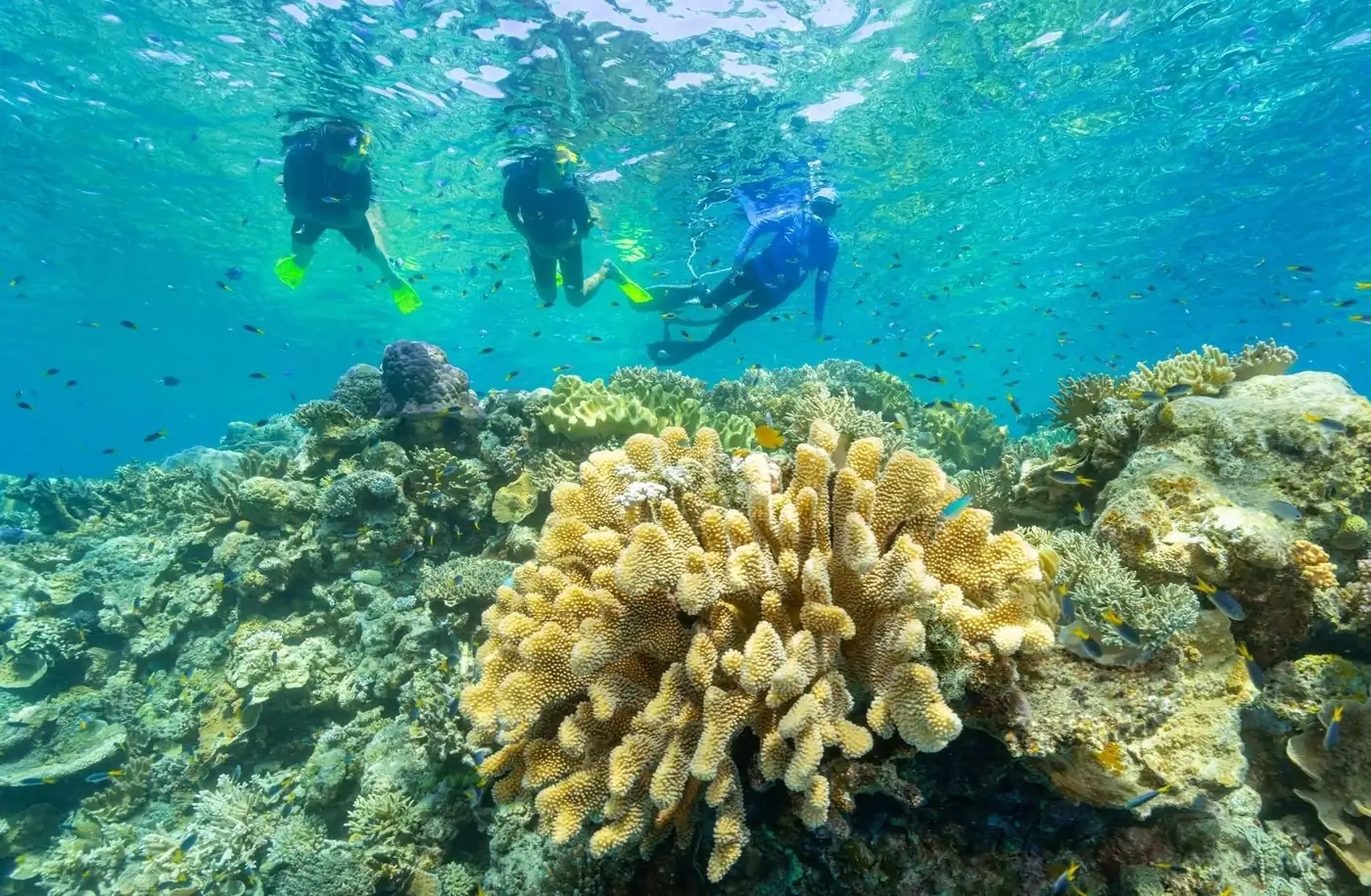
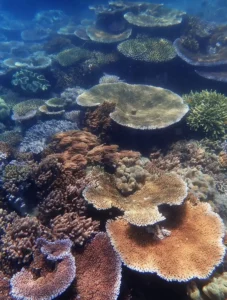
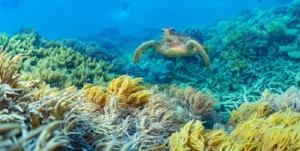
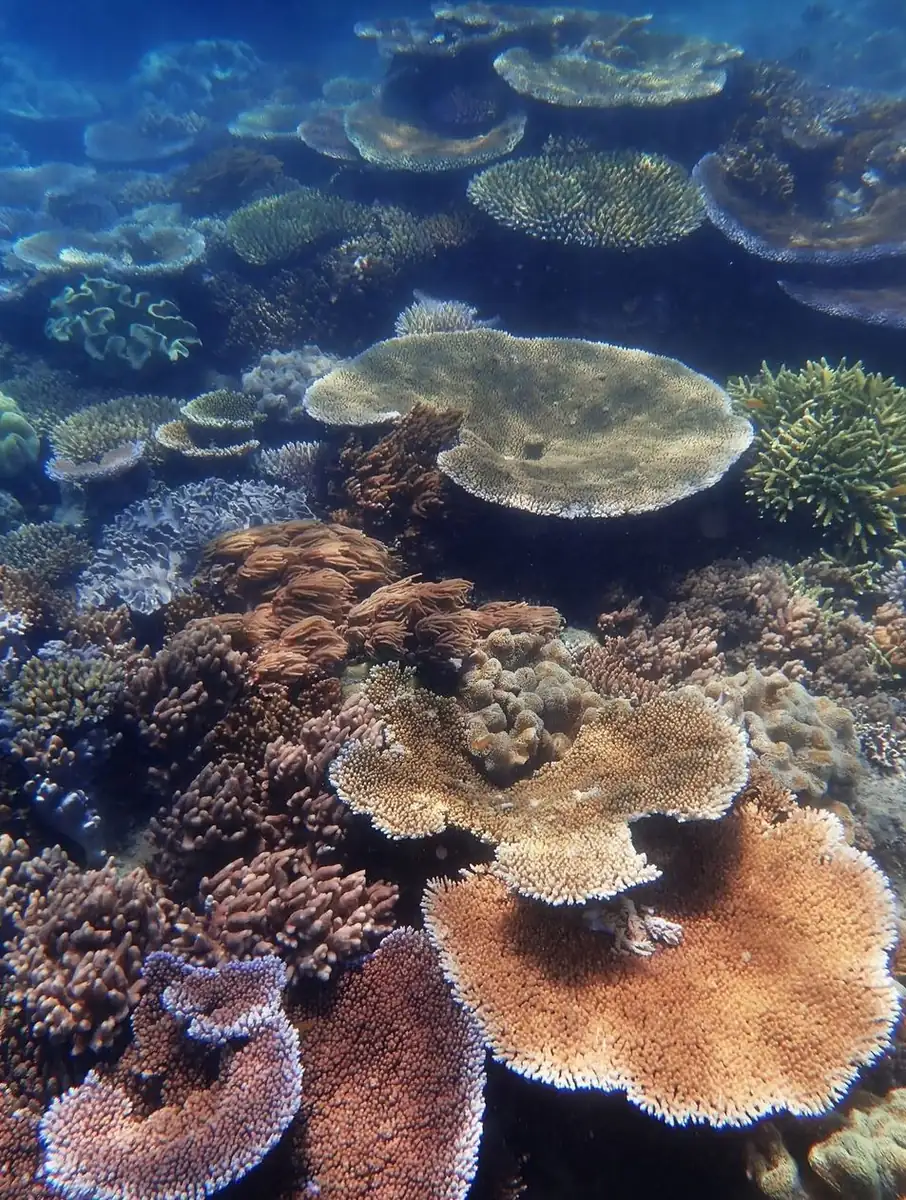
I’ve been snorkelling some sites after a tough summer and seen some amazing things still going on. Yellow boxfish darting in and out of coral heads, reef sharks cruising the drop-offs, and coral growth in sheltered little bays – it just goes to show you it’s not all bad news.
Why This Mid-Year Assessment Matters To You
Every year, the monitoring data is entered into the Outlook Report, which is then used by the UN for its conservation report submissions. The UNESCO World Heritage Committee then assesses how our reef protection measures are progressing and the progress we’re making on water quality and related issues.
Past reports have been pretty stern on Australia, telling us to get our acts together and do more to improve water quality and address issues with fossil fuel projects. And to be honest, we haven’t been making as much progress as we said we would on reducing water pollution from farms, which is a big part of the problem.
So what does it all mean for you? It means public opinion can shift pretty fast. You get some scary headlines in the press, and suddenly, people are worried that the reef is finished, or on the other hand, you get a big surge of last chance tourists. Neither of those reactions is really fair.
By visiting before the next big review, you’re getting to see the reef as it is, not after all the news stories have kicked in and the travel plans have changed.
How Water Quality Gets From The Land To The Reef
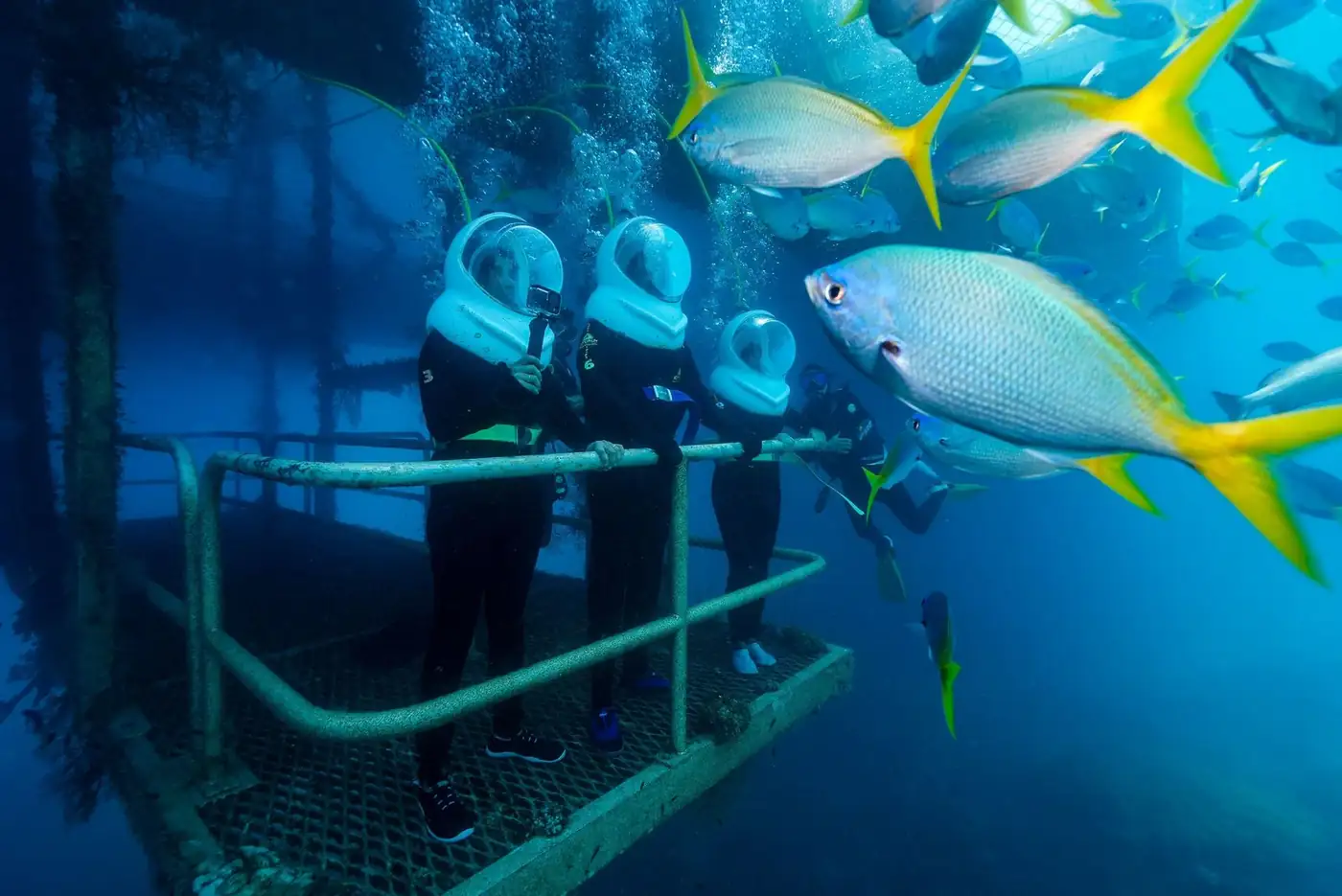
Climate change is the major player here, but it’s the bit about water quality that really matters. When it rains heavily, excess nutrients from farms and cities run off into the GBR, reducing the light that reaches the coral. And that stresses out the coral.
So, it’s no real surprise that Australia’s got a long-term plan to improve water quality targets – the thing is, progress is patchy, and it really depends on the region you’re in. And after a big flood event, you can actually see the sediment plumes in the water if you look at satellite pictures.
The outer reefs, which are generally a bit farther from the mainland, tend to be clearer and more resilient. The inshore reefs, which are closer to rivers and farms, are likely to be more affected.
Which is just one of the reasons why choosing the right operator and which part of the reef you visit really does matter.
Industrial Activity, Dredging, and Port Facilities
You’ll often hear people going back and forth on dredging project approvals & port facility expansions – & I’ve seen proposals worth millions of cubic metres of dredged material near Curtis Island get a lot of global attention in the past.
Environmental assessments are a lot tighter now, but the scrutiny’s still pretty high. The UNESCO World Heritage Committee has referenced these concerns in previous state-of-conservation reports.
For the regular tourist – probably you, or someone you know – the key thing to keep in mind is that tourism zones are actually operating under Marine Park permits. They’ve got to adhere to some pretty tight rules about site rotation, visitor caps & environmental management plans. And licensed operators have to follow these guidelines to the letter.
When you book with a reputable provider – take a Great Barrier Reef tour, for example – you’re basically engaging with an operation that’s been checked out & is doing its bit for conservation.
The Great Barrier Reef in All Its Complexity
The Great Barrier Reef isn’t one single block of coral – it’s actually made up of lots of different regions.
In the Torres Strait region, reef systems are actually right up against Torres Strait Islander Sea Country. And for the people who live there, cultural stewardship is still super important. Some of the northern areas have had their fair share of bleaching & recovery.
In the central Queensland region, near Curtis Island, you’ve got ports – and a lot of monitoring going on. Water clarity can go from crystal clear to pretty murky in a heartbeat, especially after a big rainfall event.
In the southern regions, the coral cover is pretty healthy, and you can actually see loads of turtles & manta rays.
Norfolk Island, on the other hand, is a completely different kettle of fish. It’s not part of the Great Barrier Reef system at all. We’re talking different ocean, different geology – and a different way of handling things.
Getting to know these regional differences will actually help you set some realistic expectations.
What A Responsible Reef Day Should Look Like in 2026
When I get on a reef vessel that’s run well, I look for a few key things: a strong environmental briefing to get us started, some pretty low passenger numbers to keep things nice & quiet, & some real transparency about the sites we’re going to visit.
A typical day on the outer reef for me looks like this:
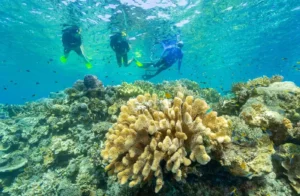
- 2 to 3 snorkelling or diving sessions – whatever the day throws up
- Getting a briefing on the marine ecology – so we know what we’re looking at
- Checking in on the crown-of-thorns starfish situation – we want to be aware of any problems
- Clear instructions on how to behave around the reef – so we can look after the place
In winter, the water clarity can be up to 20 metres – it’s stunning. But in the summer it’s hot & humid & we get more rainfall – and that means the water clarity can be a lot worse. & let’s be real – sometimes it’s just going to be rough. We don’t sugar-coat the conditions in the tropics.
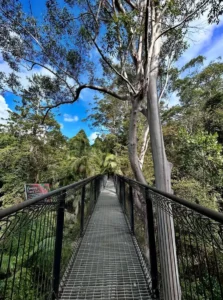
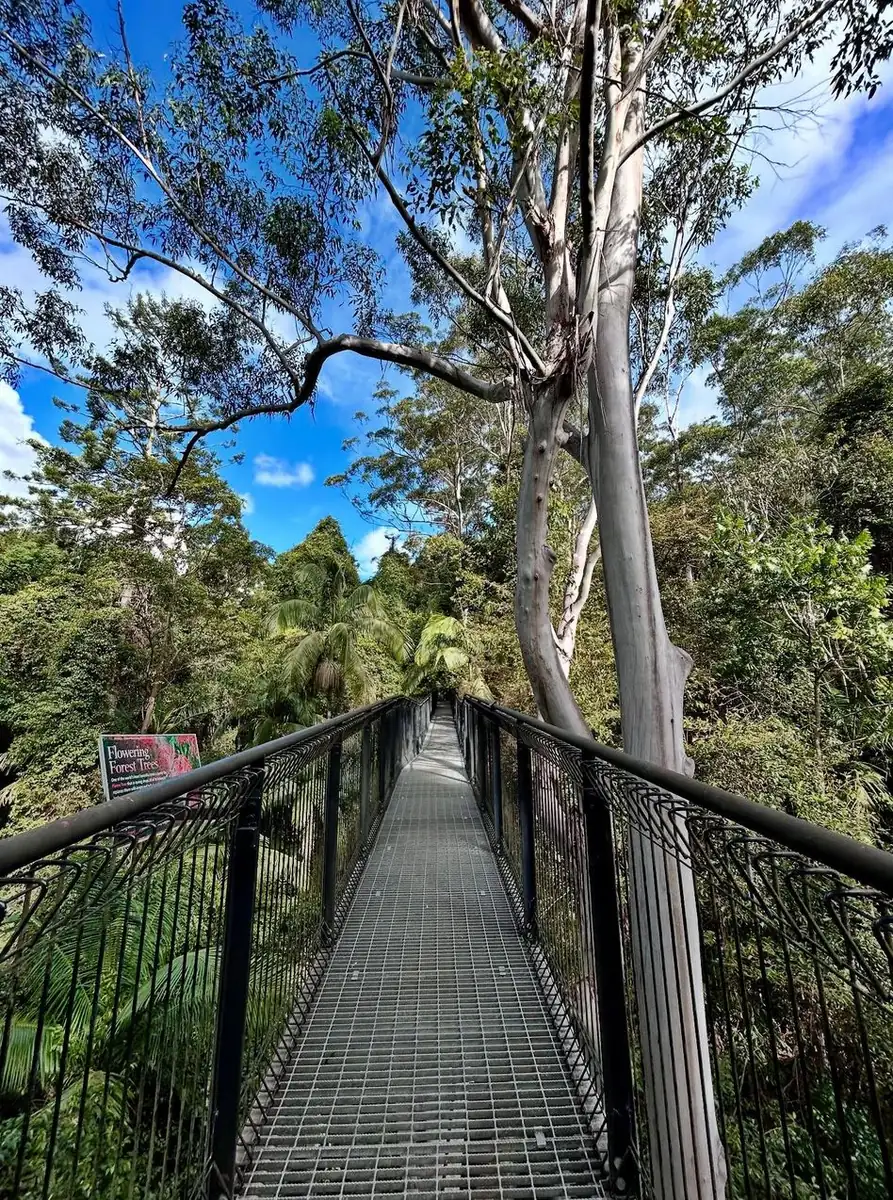
Some people like to mix up their reef days with a bit of hinterland exploration. Take a Rainforest Skywalk & Glow Worm Caves Day Tour, for example: a completely different perspective on a different ecosystem. I’ve had some guests do a reef day on one day & then a Rainforest Skywalk the next – it’s amazing how it balances out the marine & rainforest landscapes.
And it’s worth keeping in mind that reef tourism actually supports the local communities in Cairns, Port Douglas, Airlie Beach & Bundaberg. The operators are actually investing in research & monitoring – they want to make sure we’re doing this right.
Monitoring Tools Watching The Reef
Keeping an eye on the reef requires both the latest tech and some old-fashioned fieldwork.
Satellite images can track sediment plumes spreading in the ocean. Coral Reef Watch Satellite has a system in place to flag up heatwaves that could affect the marine life. And the Bureau of Meteorology gives us the season ahead – what to expect from the weather. Out in the field, teams of experts are logging coral disease and the numbers of crown-of-thorns starfish – another threat to the reef.
All that data gets fed into the Reef Knowledge System, which pulls it together and helps produce each new Outlook Report.
When you see a report on the state of the reef, rest assured it’s not based on guesswork – it’s built on loads of data from multiple sources.
Climate Policy In The Bigger Picture
The push-pull between fossil fuel projects and reef protection is all about climate policy – it remains the biggest long-term threat out there. The UNESCO World Heritage Committee has made it clear to Australia on previous occasions that it needs to do more to protect the reef by taking action on climate change.
These sorts of big-picture policy discussions affect where funds are directed, which restoration projects are set up, and how the rest of the world sees the situation. But they don’t change what’s happening to the reef right now.
The truth is, a lot of the outer reef sites are still incredibly healthy and visually stunning. Yes, there is coral disease and bleaching. And yes, there are still areas where the coral is recovering.
Getting Ready For Your Next Reef Trip
If you’re serious about making the trip, it’s worth taking the time to plan carefully.
When you book a tour, go with an outer reef tour operator rather than a day trip to a nearby reef. Make sure to check the current site conditions beforehand. And try to go during the dry season – the seas are calmer, and the water is clearer.
And most importantly, don’t forget to follow the rules of the Marine Park. Use reef-safe sunscreen, and resist the temptation to stand on the coral even if it looks bleached.
Another good idea might be to broaden your trip a bit. Consider combining a reef day with a trip to the Rainforest Skywalk and Glow Worm Caves – that way you can see how the trees and the reef are connected.
Going with a reputable operator like Great Barrier Reef Tours is a good bet – they can sort out all the logistics and make sure you only go with licensed tour operators.
A Final Word From Paul
The reef is a living, breathing system that’s dealing with a ton of stress – climate change, water quality issues, and being under the microscope of the entire world. It’s not a one-size-fits-all ecological disaster – some bits are pretty much fine while others are feeling the squeeze.
If this trip is important to you, don’t just sit around waiting for the headlines to be perfect. Go, yes, go, and do your homework first. Support local operators who are all about conservation & doing it right. And while you’re out on the water, think about pairing that with a Rainforest Skywalk & Glow Worm Caves day trip to get a real sense of the larger coastal ecosystem picture.
Travel with a cool head, not a sense of panic.
See it while it’s still in one piece, because let’s be honest, it’s not going to get any better on its own.
FAQ
Is The Reef Completely Dead?
Not yet, no – some parts have been hit hard by bleaching in these extreme heat years, but many areas still have thriving coral reef structure & a load of marine life.
Does Bad Water Quality Ruin The Experience?
Well, after it rains or there’s a flood, things can get pretty murky inshore – but the outer reef sites usually stay relatively clear.
Are There Still Dredging Projects Causing Issues
Large dredging projects near ports have been getting a lot of scrutiny, and some have even been put on hold – the impact depends on how much is being dredged up & how much care is being taken with the sediment.
Has The UN Criticised Australia?
Yep, the UN & UNESCO have been on Australia’s case to step up their game & meet some of the water-quality targets they’ve been missing.
Is It Still Worth Visiting?
It can be – but only if you go in with your eyes open and choose a responsible operator that’s all about doing things the right way.